
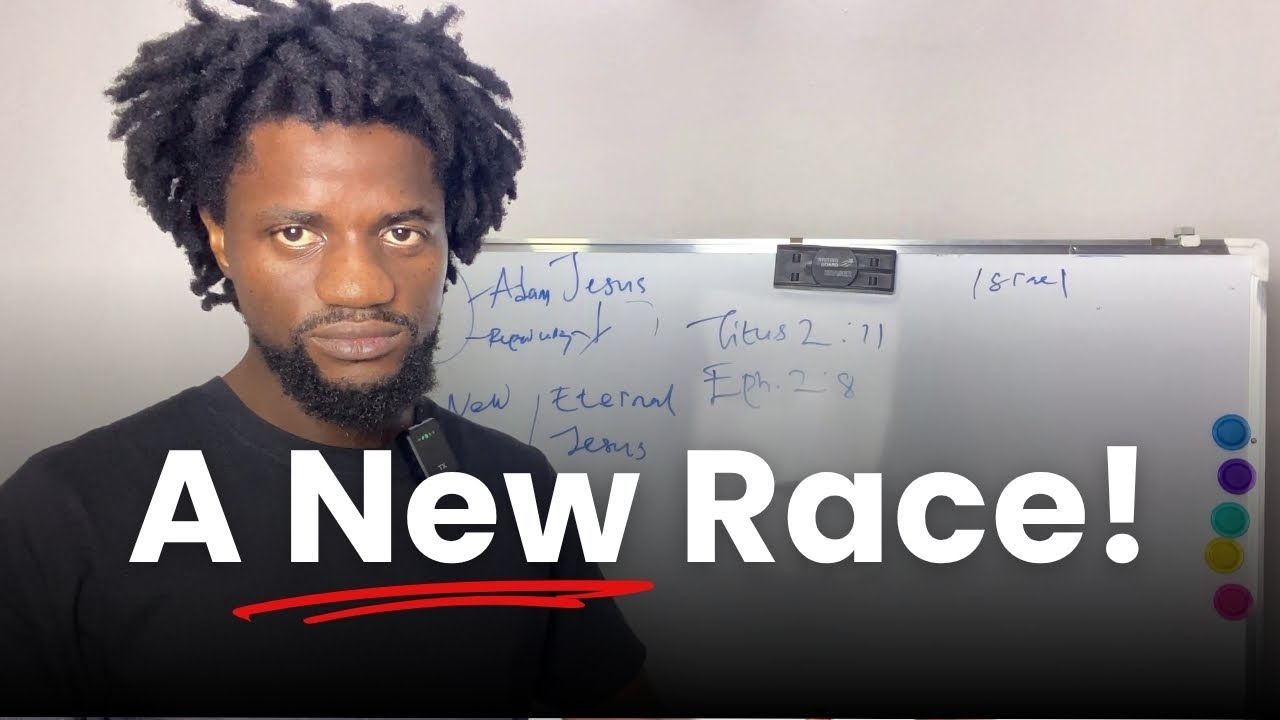
In the journey of faith and spiritual understanding, grasping the restoration of God’s life in man is fundamental. This article explores the profound truth of how humanity, fallen through sin, was redeemed and recreated through Jesus Christ. Drawing from insights shared by Christian Living Academy, we delve into the fall of man, the consequences of sin, the role of the law, the insufficiency of animal sacrifices, and the ultimate redemption through Christ’s sacrifice. This is not just theology—it is an invitation to comprehend your new identity and walk fully in the life God has made available.
The Fall of Man: From Life to Bondage
Originally, God replicated His life in man, creating Adam with a pure and righteous nature. However, through disobedience, sin entered, corrupting man’s nature. This corruption meant man lost the power to live righteously; instead, he became a servant to sin. By bowing to disobedience and deception, man effectively made sin his lord, resulting in bondage to all that sin produces—pain, lack, sickness, and death.
This fallen state prevented man from living to his full potential, the way God designed. The consequences were so severe that, at one point, God had to destroy all life on earth during Noah’s time due to rampant sin. Yet, sin persisted, underscoring man’s desperate need for change and help beyond his own efforts.
The Law: Revealing Man’s Inability to Save Himself
God introduced the law through Moses to expose humanity’s inability to overcome sin by their own strength. The law was never meant to be the ultimate solution; rather, it was designed to break man’s pride and lead him to recognize his need for a savior.
Initially, the Israelites were confident they could keep the law perfectly. However, their failure soon became evident. Their best efforts produced a righteousness “as filthy rags,” highlighting the futility of self-righteousness. This demonstrated clearly that man could not save or atone for himself.
Animal Sacrifices: A Temporary Covering, Not a Cure
To manage sin, sacrifices of animals like rams and bulls were instituted. These sacrifices served to cover sin temporarily, postponing judgment rather than removing sin’s power. This was akin to refinancing a loan—extending the payment period without erasing the debt.
The key problem remained: the sinful nature of man was unchanged. Since all humans inherit a fallen spirit from Adam, no one was pure enough to offer a perfect sacrifice. Animal sacrifices symbolized atonement but could not cleanse the heart or remove the root of sin.
Why Jesus Had to Be Fully God and Fully Man
God’s justice demanded that the penalty for sin be paid by man, as the scripture declares in Ezekiel 18: “The soul that sins shall die.” Yet, man’s fallen nature made him incapable of paying this price. Only a pure, sinless being could bear the punishment for sin.
God’s solution was perfect in wisdom and fairness: He became a man. However, unlike any other human, Jesus was conceived not by a human father but by the Holy Spirit in the womb of Mary. This divine conception ensured that Jesus’ spirit, soul, and body were pure and sinless.
Jesus was fully God because His spirit was the Spirit of God, and fully man because He possessed a human body and soul. He experienced life just as any human would but without sin. This unique nature qualified Him to be the perfect sacrifice for sin.
The Ultimate Sacrifice: Destroying Sin, Not Just Covering It
When Jesus died on the cross, His blood did not merely cover sin temporarily as animal sacrifices had done—it destroyed sin itself. His sacrifice paid the full penalty for sin, redeeming humanity from its bondage.
Receiving Jesus Christ means receiving a new, clean spirit that is no longer susceptible to sin. His death and resurrection brought redemption, removing the guilt and punishment for sin and offering a new life. This is not a repaired or patched-up life but a completely recreated one.
New Life in Christ: Beyond Repair to Recreation
To illustrate, consider a computer infected with a virus. Removing the virus and repairing the system is helpful but limited. Jesus’ work goes beyond repair—He gives a brand-new system altogether.
As 2 Corinthians 5:17 says, “If anyone is in Christ, the old has gone, the new has come!” This new life is not a restoration of the old Adamic life but a brand-new creation. Jesus, the second Adam, is described as a “life-giving spirit,” the source of eternal life that believers now share.
The New Race: Freedom and Dominion Over Sin
Those who receive this new life become a new race of people, no longer slaves to sin. Instead, they have dominion over sin and its works. However, those who reject this gift remain in bondage to their fallen nature.
Every child born into the world inherits the fallen nature, but through Christ, believers receive a far greater, eternal life. This life is not just about living longer but about living the very life of God Himself, residing within us.
Salvation for All: An Open Invitation
The salvation Jesus offers is available to all people, not just a select few. Titus 2:11 affirms, “Salvation appeared to all men,” emphasizing that this grace is universal.
Salvation is a free gift, received by grace through faith. Even faith itself is a gift from God, not a human achievement (Ephesians 2). This salvation brings eternal life—a life that continues beyond physical death and connects us to God’s very essence.
Living as God’s Temple: The Indwelling Life
Salvation is more than a concept; it is a reality of God living within us. We are no longer separate from God; we have become His temple. He dwells inside us, transforming us from the inside out.
Conclusion: Embrace the New Life in Christ
The restoration of God’s life in man is the foundation of Christian living. It marks the transition from slavery to sin to freedom in Christ, from death to eternal life, and from a fallen nature to a new creation.
If you are seeking to understand this transformation deeply, the book of Romans is a profound resource that elaborates on these truths in detail. As you explore this life-changing message, may the Holy Spirit guide you into all truth and bring you into the fullness of your identity in Christ.
If you have questions or want to discuss further, feel free to engage and share your thoughts. This journey is one of continuous growth and revelation.